




Introduction: The Physical Challenges of Large-Scale Dry Blending
For manufacturers operating automated dry-blending and powder packaging lines – such as sports nutrition protein shakes, functional meal replacement blends, and infant formulas – particle uniformity is a primary requirement for shelf-life security. During industrial bulk storage, high-speed automated filling, and cross-border maritime shipping, dry powders face constant ambient environmental stress.
A frequent and expensive processing defect is moisture-induced caking (clumping). This occurs when ambient humidity penetrates the packaging, causing individual raw particles to bridge together. This bridging restricts the final product’s fluid solubility and triggers flavor stratification – a physical phenomenon where smaller, denser flavoring particles separate and sink to the bottom of the container, leaving the top portion completely bland.
The Micro-Mechanics of Moisture Absorption and Caking
To control clumping, product developers must examine the glass transition temperature ($T_g$) and surface hygroscopicity of the flavoring carriers. When raw, unshielded seasonings or liquid flavorings are sprayed directly onto carrier powders like dextrose or maltodextrin without microencapsulation, the surface sugar molecules dissolve easily as humidity rises. This creates sticky liquid bridges between particles. As these bridges dry during temperature fluctuations, they solidify into hard clumps that ruin the powder’s free-flowing properties and slow down industrial filling speeds.
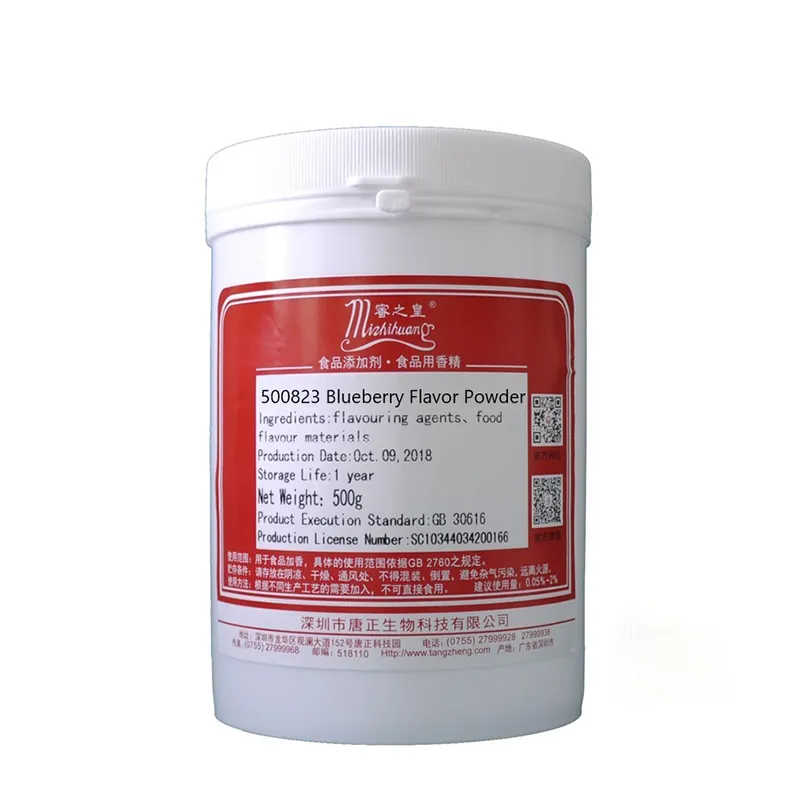
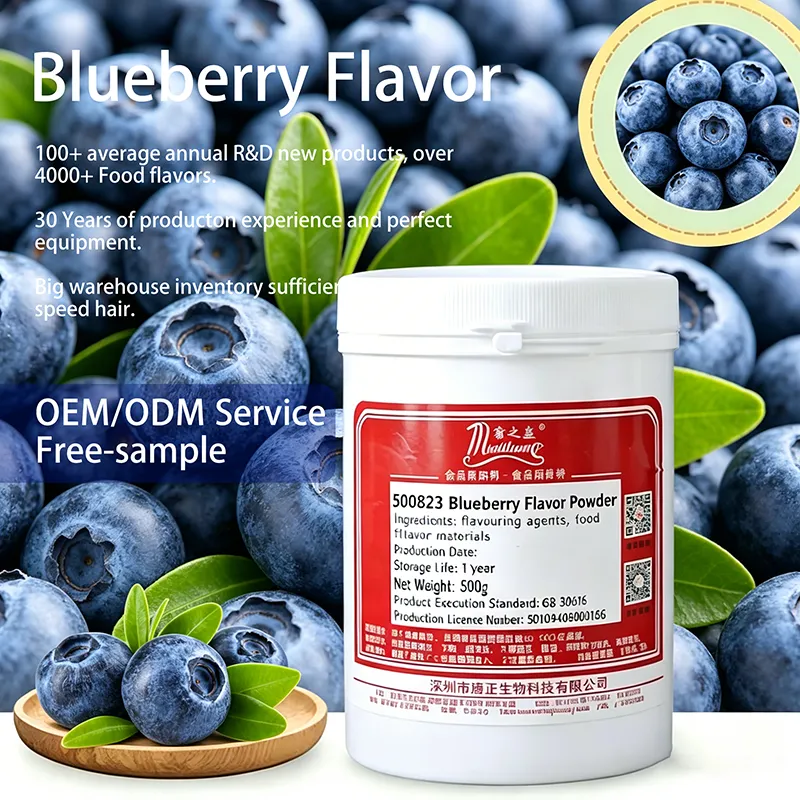
Resolving this defect requires moving away from crude surface coatings and adopting spray-dried, microencapsulated structures. Our B2B Powder Flavors collection undergoes specialized particle engineering. During the spray-drying phase, active aroma molecules are locked inside uniform carbohydrate shells made from modified starches and gum arabic. This protective shell acts as a resilient physical barrier against environmental moisture. The matrix remains completely free-flowing even under high-humidity stresses, preventing capillary bridging and optimizing shelf-life stability.
Eliminating Particle Segregation in High-Speed Blending Lines
- Bulk Density Synchronization: The second critical challenge is preventing ingredient segregation during transport friction. If the bulk density and particle size of the flavoring powder do not match the main base (such as whey protein isolate or pea protein), the components will separate. Smaller flavor particles will filter downward through gravity, causing severe taste variations between individual packages.
- Particle Size Standardization: Tangzheng’s engineered powder flavors are processed to fall within a strict micrometer range that matches standard commercial nutrition bases. This prevents segregation during high-speed ribbon blending and automated auger filling.
- Optimizing Solubility and Taste Delivery: Because the aroma molecules are sealed inside an engineered shell, they do not oxidize or react with neighboring active nutrients (like iron or vitamin C) inside the container. The moment the consumer adds water, the carbohydrate shell dissolves instantly, delivering an immediate, full-bodied release of deep vanilla, indulgent milk, or roasted grain profiles. This advanced particle control provides maximum manufacturing efficiency alongside a premium consumer experience.