




Application Scenarios of Salty Flavoring in Roast Meat
1 The production process of roast meat is as follows:
Raw material acceptance → Thawing → Trimming and cutting → (Tumbling/massaging) → Marinating → Roasting → Cooling → Packaging → Secondary sterilization (optional) → Metal detection → Boxing and warehousing
2 Key Control Points and Important Parameters for Roast Meat Production:
(1) Marination control: The ambient temperature is 0~4℃, and the time is ≥8 hours to ensure uniform penetration of seasonings and inhibit microbial growth.
(2) Roasting and sterilization: Core control point. The central temperature of the product must be ≥72℃ and maintained for more than 1 minute to completely kill pathogenic bacteria. At the same time, control the roasting time and temperature (180-220℃) to form color and flavor.
(3) Rapid cooling: The central temperature of the product shall be quickly reduced to below 30℃ within 30 minutes after roasting, and to 0~4℃ within 4 hours, so as to effectively inhibit the reproduction of residual microorganisms.
(4) Metal detection: 100% of the final products shall pass metal detection (sensitivity: Fe≤φ1.5mm, Non-Fe≤φ2.0mm) to eliminate physical hazards.
3 Timing of Flavoring Addition in Roast Meat:
(1) Flavoring Process and Timing:
· Main timing: Usually added during the marination process. Add flavoring, spices together with other auxiliary materials such as salt and sugar, and make the flavor substances penetrate evenly into the meat through tumbling or stirring.
· Supplementary timing: For flavorings with good thermal stability, they can be sprayed or brushed on the surface before or during roasting to enhance the top note and roasted flavor.
(2) Temperature Control:
· The temperature of the marination link must be strictly controlled at 0-4℃ to prevent microbial growth and ensure slow penetration of flavor.
· If flavoring is added during roasting, it should avoid direct addition at excessively high temperature (such as >150℃) to prevent rapid volatilization or coking of the flavor.
(3) Selection of Flavorings:
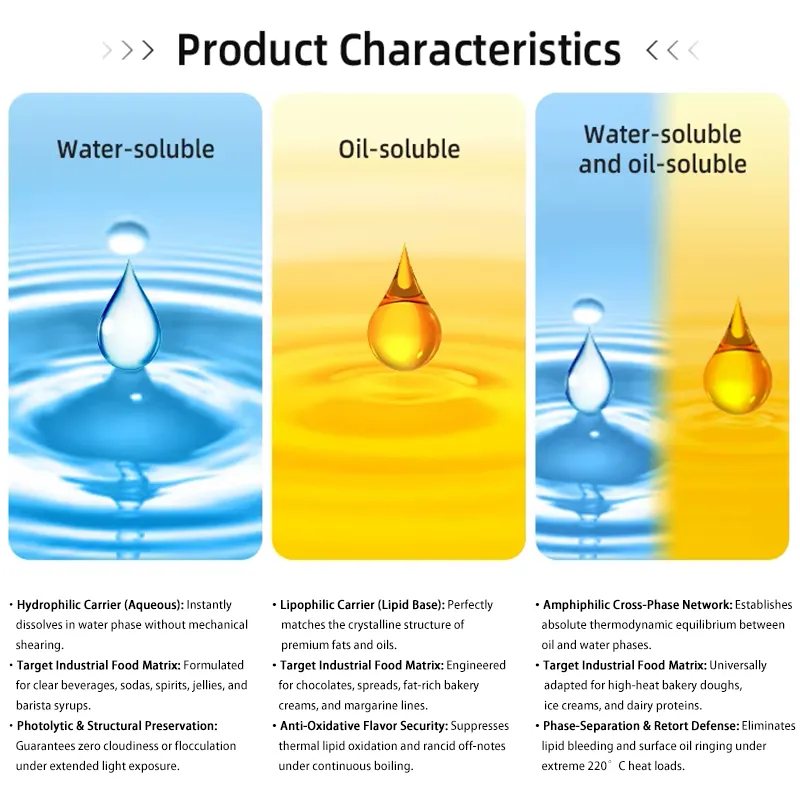
· Oil-soluble flavorings: Easy to combine with oil, with rich and long-lasting flavor, suitable for meats with high oil content.
· High-temperature resistant flavorings: Must be added before or during roasting, which can withstand high temperature and maintain stable flavor.
· Natural reaction-type flavorings (such as meat thermal reaction flavorings): Can simulate more realistic meat flavor during roasting and enhance the overall flavor level.
(4) Notes:
· Addition order: Generally, add seasonings such as salt and sugar first, then add flavorings, so as to avoid precipitation caused by direct contact between flavorings and high-concentration salt and sugar.
· Uniformity: Ensure uniform distribution through mechanical stirring or tumbling to avoid uneven product flavor.
· Dosage: Strictly follow the recommended dosage; excessive addition will produce a pungent and false flavor.