




Introduction: The Severe Thermal Demands of Commercial Catering and Ready Meals
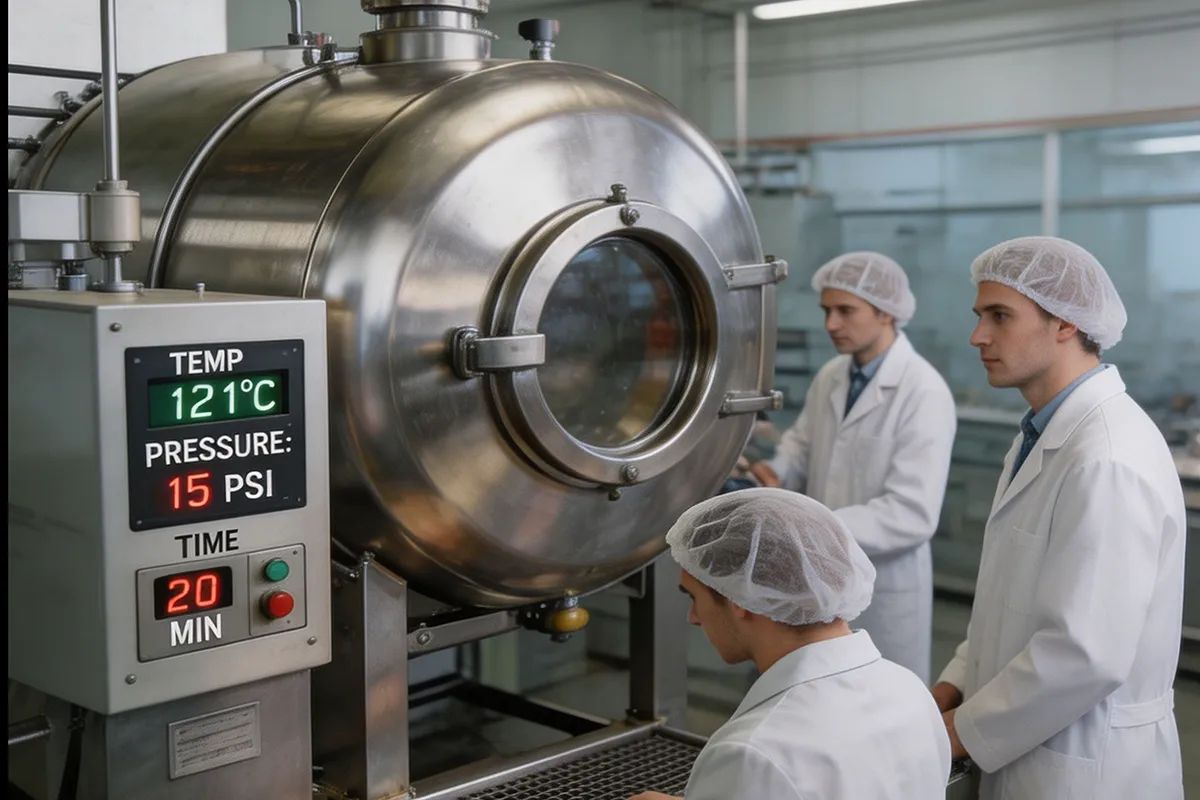
Commercial central kitchens, ready-to-eat (RTE) meal packers, and industrial canning facilities operate under rigid, non-negotiable thermal sterilization mandates. To achieve extended shelf lives, satisfy cross-border cold-chain logistics requirements, and eliminate anaerobic pathogens like Clostridium botulinum, sealed commercial proteins must undergo heavy retort autoclaving. This process requires temperatures to exceed 121°C ($250^\circ\text{F}$) under high pressure for extended cycles.
While this aggressive cooking parameters effectively sterilizes the food, it creates an intense chemical crisis for flavor retention. Extreme heat triggers aggressive thermal degradation and rapid molecular hydrolysis within standard seasoning systems. It breaks down delicate top-notes, causing volatile aromas to vanish into steam, and frequently leaves the processed proteins tasting metallic, over-cooked, scorched, or completely bland.
The Molecular Mechanics of Maillard Intermediate Stabilization
Overcoming this severe industrial bottleneck requires moving away from residential kitchen spices and deploying flavor systems specifically engineered with heat-shielded, bound molecular structures. When raw meats are cooked at an industrial scale, the natural savory depth is built via the Maillard reaction – the chemical bonding of reducing sugars and free amino acids. However, natural Maillard components break down and sour when subjected to a second round of retort heating inside a sealed container.
To prevent this sensory collapse, advanced formulations incorporate pre-reacted, stable intermediates from our industrial Meat Series. These high-purity meat essences are synthesized to possess a high boiling point and a tight molecular structure that bonds directly with the actomyosin fibers of the processed meat. Rather than decomposing or flashing off during autoclave venting, these robust savory compounds anchor themselves within the protein matrix. They survive the 121°C retort line unscathed, ensuring that the authentic braised beef, smoked chicken, or roasted pork base notes remain vibrant and fresh until the container is unsealed by the end-user.
Process Synchronization with Advanced Seasoning Extractions
-
- Preventing Herbal Oxidation: Delicate aromatics like black pepper, garlic, ginger, and onion are highly vulnerable to heat-induced oxidation, which turns fresh profiles into stale off-notes. To protect these profiles, plant managers should pair heavy meat bases with concentrated extractions from our specialized Spices Seasonings Herbal Series and raw Herbs & Vegetables Series.
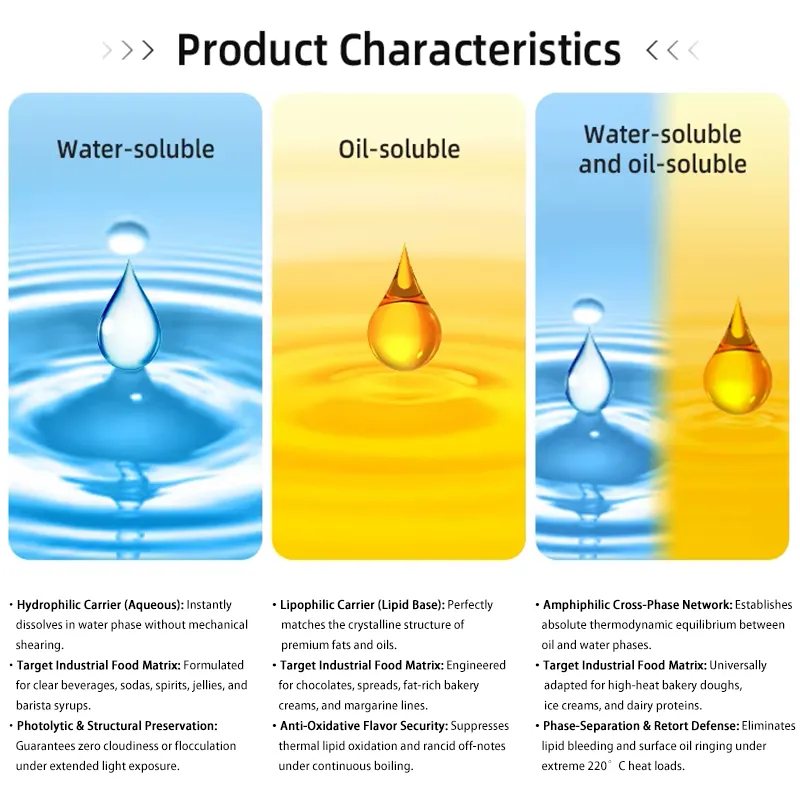
- Emulsion and Viscosity Protection: These industrial-grade extractions are blended with stable, food-safe lipid carriers that act as a physical shield against water-phase hydrolysis. Mixing the savory flavor pastes directly into the warm fat phase before canning locks the aroma inside the gravy emulsion.
- Syneresis and Cost Control: This encapsulation completely prevents water separation (syneresis) during long-term storage and subsequent microwave reheating. Furthermore, the immense sensory impact of these concentrated lines allows central kitchens to reduce their usage of expensive fresh meat fillers by up to 20%, yielding a highly cost-effective, automated production cycle that guarantees absolute taste consistency across vast restaurant franchise networks.