




Introduction: The Passport to Global Flavor Trade
In the world of international food ingredient sourcing, premium quality is only half the battle. The other half is documented transparency. For R&D directors and procurement managers, COA, MSDS, and TDS are more than just paperwork – they are core tools for ensuring compliance, safety, and production consistency. This guide breaks down these critical documents to help you streamline your import process.
COA (Certificate of Analysis) – The Proof of Quality
The COA is a batch-specific document that confirms a product meets its required specifications.
- Key Metrics: Density, refractive index, sensory evaluation (aroma/color), and microbiological testing.
- Why it Matters: It ensures batch-to-batch consistency, proving that the flavor you receive today performs exactly like the sample you approved months ago.
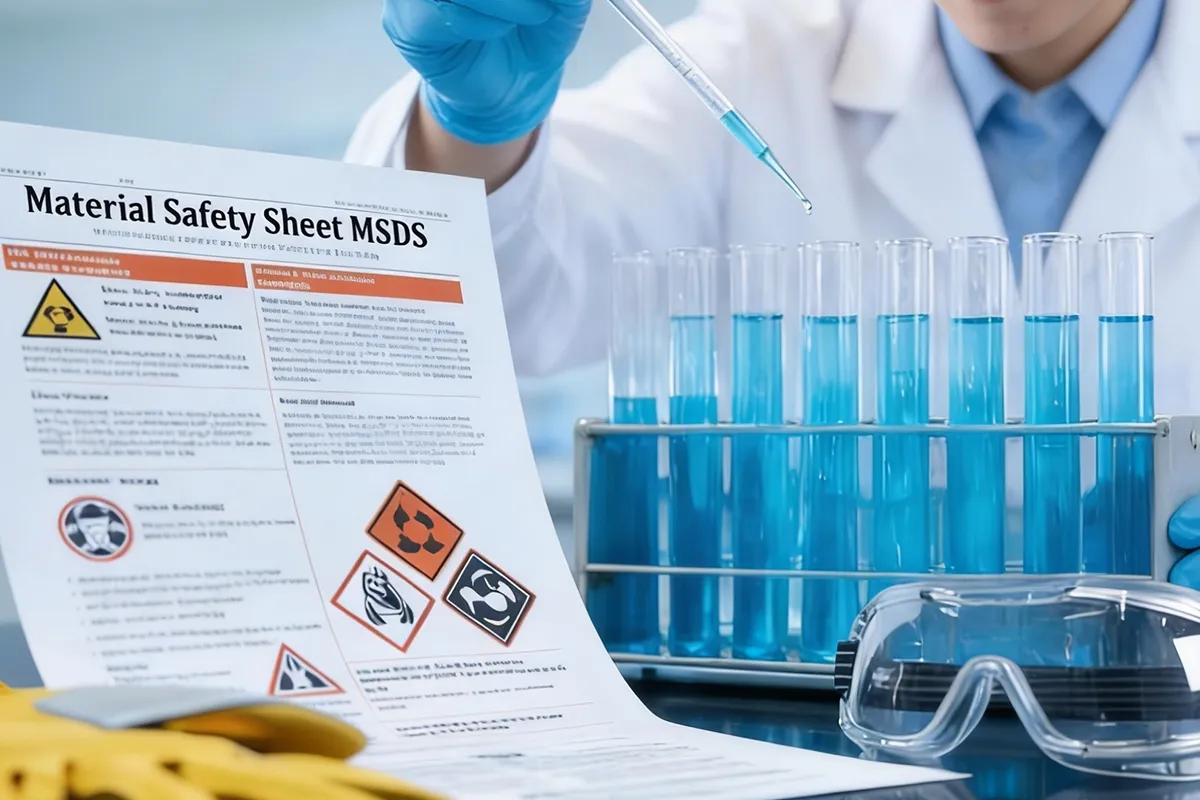
MSDS (Material Safety Data Sheet) – The Safety Blueprint
The MSDS focuses on the chemical properties and safety hazards of the flavoring agent.
- Critical Info: Ingredient composition, first-aid measures, storage conditions, and Dangerous Goods (DG) codes for shipping.
- Why it Matters: This is mandatory for customs clearance, international logistics booking, and workplace safety management.
TDS (Technical Data Sheet) – The R&D Roadmap
The TDS provides a technical overview of how the flavor behaves in various applications.
- Critical Info: Solubility (Water vs. Oil), heat stability, recommended dosage, and application suggestions.
- Why it Matters: It helps R&D teams quickly determine if a flavor is suitable for specific processes, such as high-heat baking or cold-press beverage production.
Conclusion: Professionalism Through Transparency
Choosing a flavor supplier is about more than just taste; it’s about choosing a standard. Understanding and leveraging COA, MSDS, and TDS ensures your brand remains compliant and competitive in the complex global market.