




Introduction: The Bittersweet Reality of Sugar Reduction
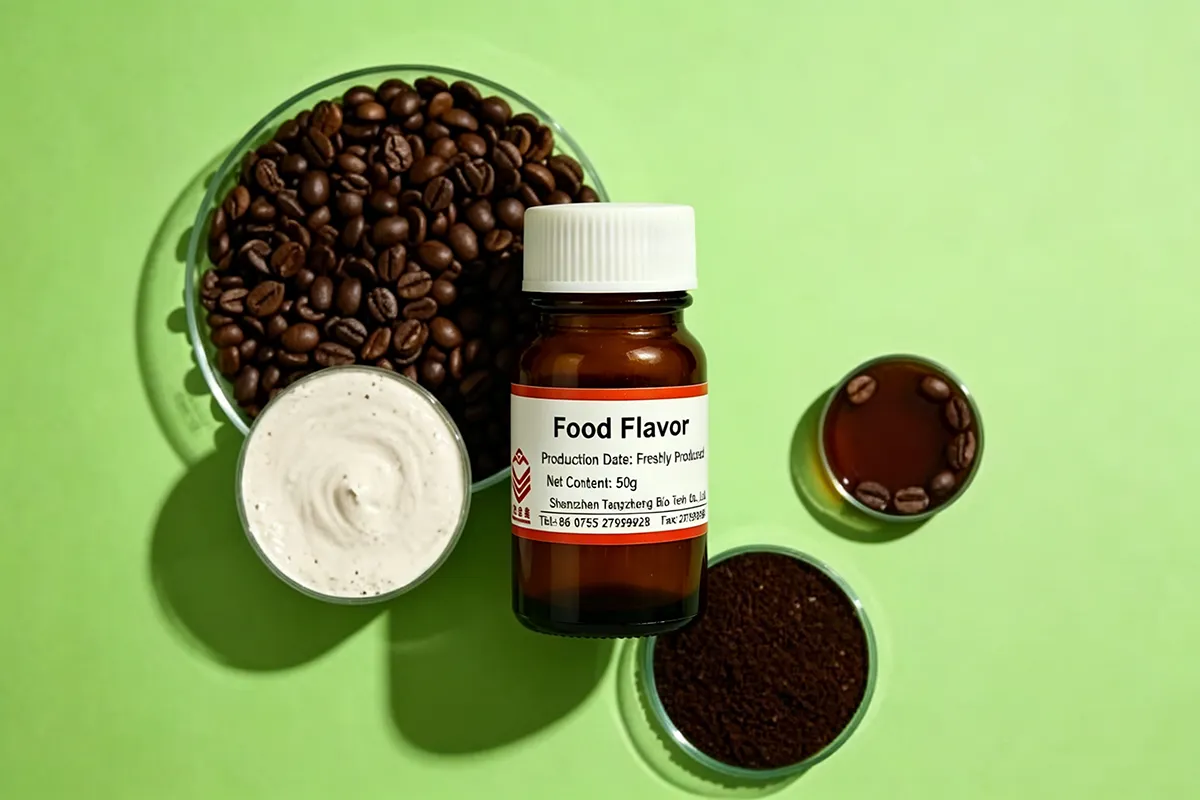
As global food brands reformulate product lines to achieve “Zero Sugar Added” or “Low Calorie” claims, high-intensity sweeteners like stevia, monk fruit, and erythritol have become industry standards. However, these alternative ingredients carry a major sensory drawback: a lingering metallic or licorice-like bitter aftertaste. Evaluating high-performance food flavors is essential to counteract this issue; in plant milks, grain bars, and powdered meal replacements, this aftertaste easily disrupts the comforting, earthy profile that consumers expect.
Strategic Aromatics for Aftertaste Interception
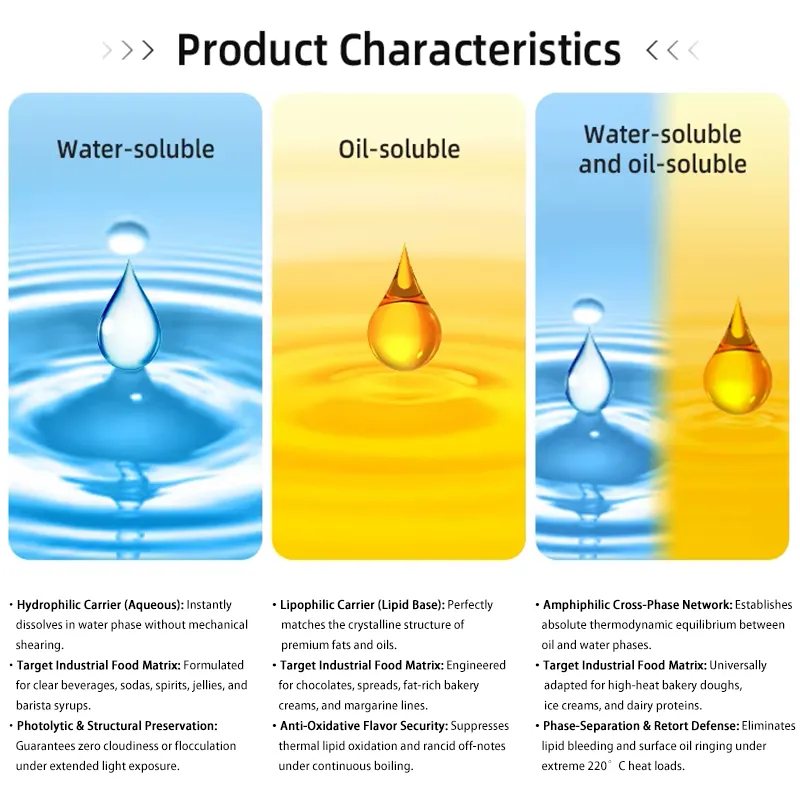
To fix the off-notes of high-intensity sweeteners, food formulators should leverage complex, roasted sensory notes. Nutty and toasted grain aroma molecules possess natural sulfur and pyrazine structures that are highly effective at neutralizing chemical bitterness. Choosing the correct physical carrier ensures this masking effect functions throughout the product’s shelf life:
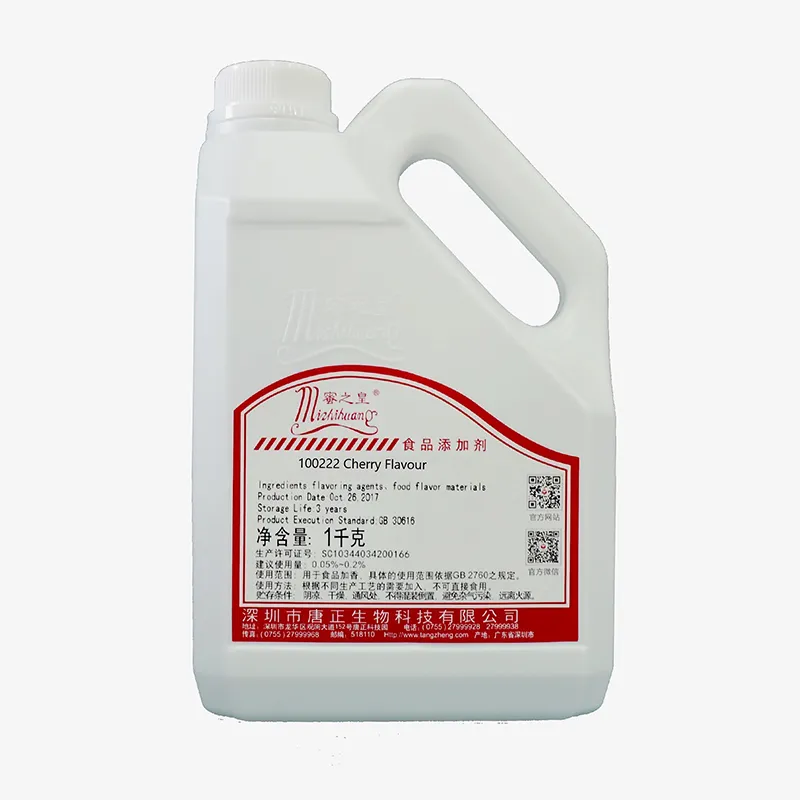
- Ready-to-Drink Plant Milks: In sugar-free walnut, almond, or oat beverages, adding water-soluble Liquid Flavors from our nutty series provides an immediate olfactory shield, delivering a smooth, authentic grain profile that blocks the metallic stevia spike.
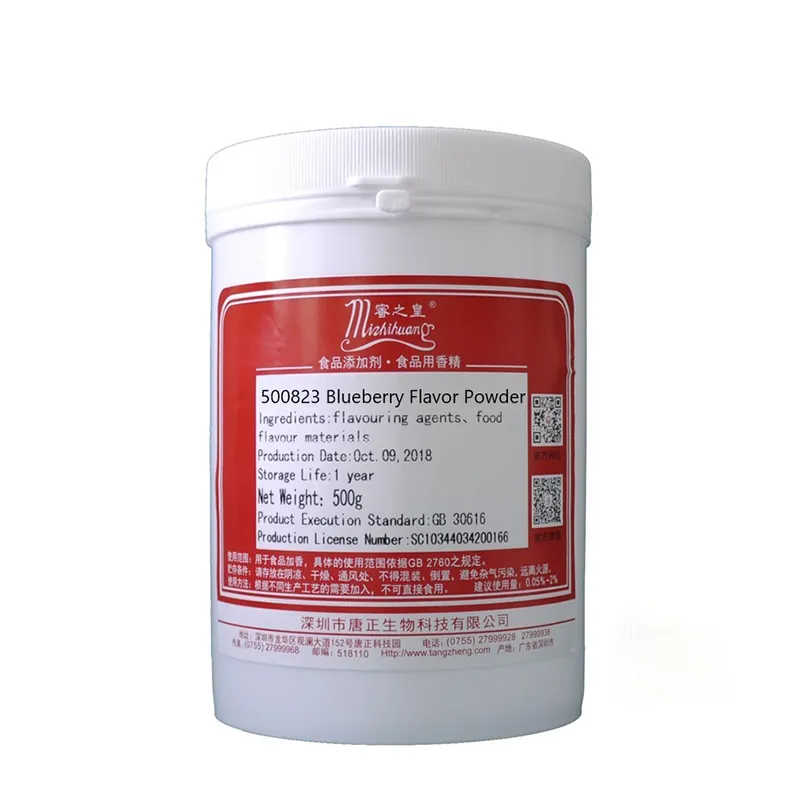
- Protein Powders and Meal Replacements: For dry formulations, employing spray-dried grain Powder Flavors ensures instant solubility and sensory synchronization, masking sweetener bitterness the moment the powder is rehydrated.
Rebuilding Sweet Indulgence Without Sugar
By pairing alternative sweeteners with tailored, roasted grain profiles, brands can bypass aftertaste hurdles and engineer sugar-free products that capture pure, nostalgic comfort.
[Request a Sample Kit of Tangzheng’s Grain and Nut Masking Solutions]