





Introduction: Decoding the Global Flavor Label Matrix
For international food procurement managers and compliance officers, navigating flavor labeling laws can be incredibly complex. A specific compound might be classified under one term in the United States (under FEMA/FDA regulations) but require a completely different declaration in the European Union (EFSA) or Asian markets. Two of the most commonly misunderstood terms in the industry are “Natural-Identical” and “Artificial” flavoring agents.
For businesses looking to source these ingredients reliably, partnering with a professional Food Flavor Supplier ensures both regulatory alignment and product consistency.
Defining the Chemical Boundaries
- Natural-Identical Flavors: These are substances obtained via chemical synthesis or isolated through chemical processes, but they are chemically identical to molecules that occur naturally in plants or animal tissues. For example, synthesized vanillin that possesses the exact same molecular structure as vanillin extracted from a vanilla bean is classified as natural-identical. It offers the same sensory profile but with far higher purity and price stability.
- Artificial Flavors: These are entirely synthetic aroma compounds that have not yet been found in nature. These molecules are engineered in laboratories to provide high-impact stability or intense scent notes that natural options cannot replicate.
Choosing the Right Format for Regulatory Success
When choosing between formats for your production lines, compliance and solubility must match:
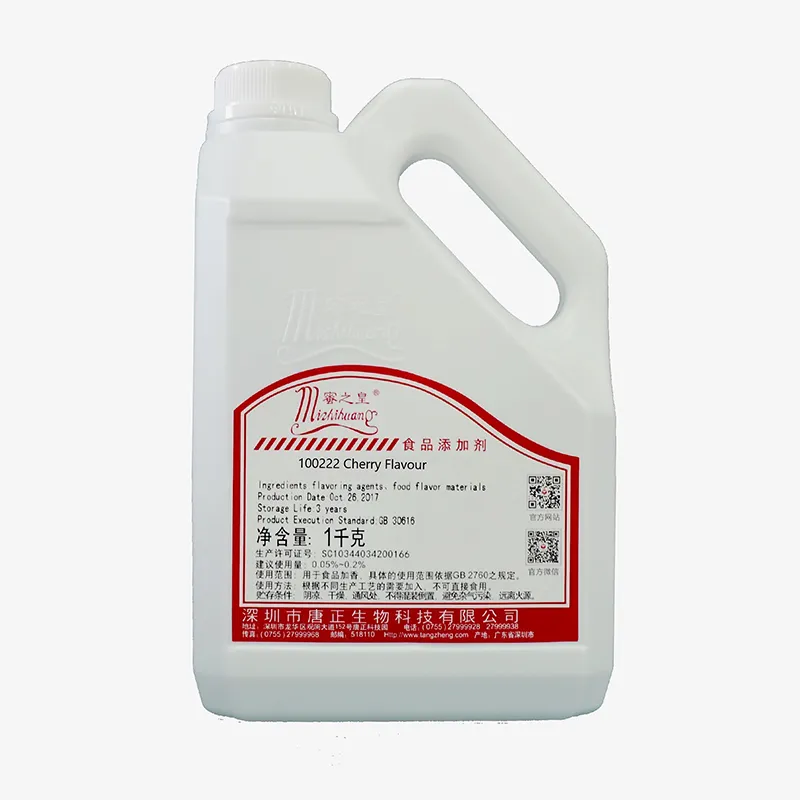
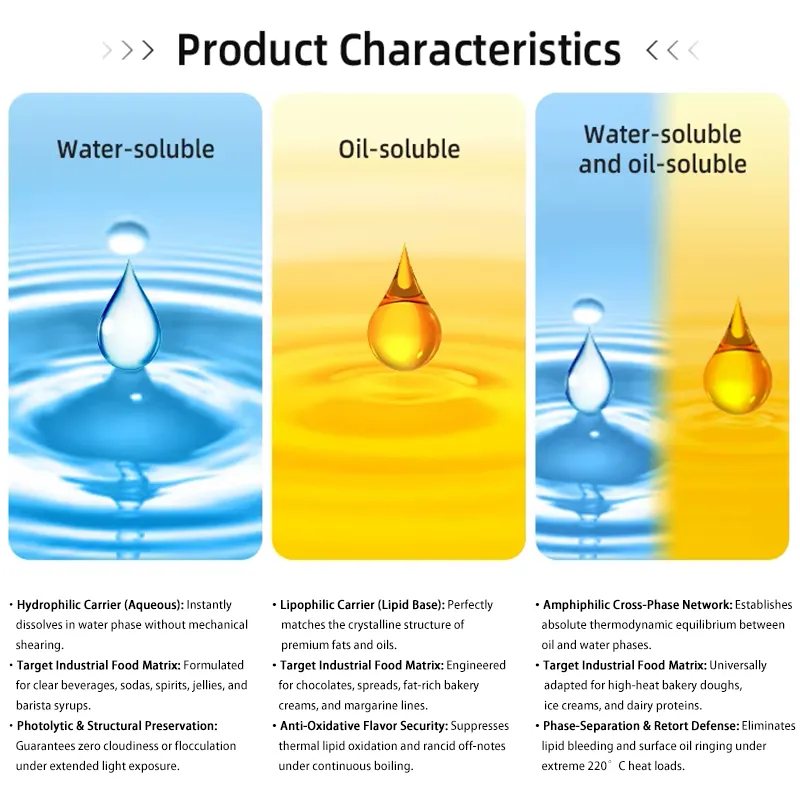
- Liquid Systems: High-purity Liquid Flavors in natural-identical formats allow beverage brands to claim clean labeling while avoiding the cloudiness or sediment issues linked to raw natural botanical extracts.
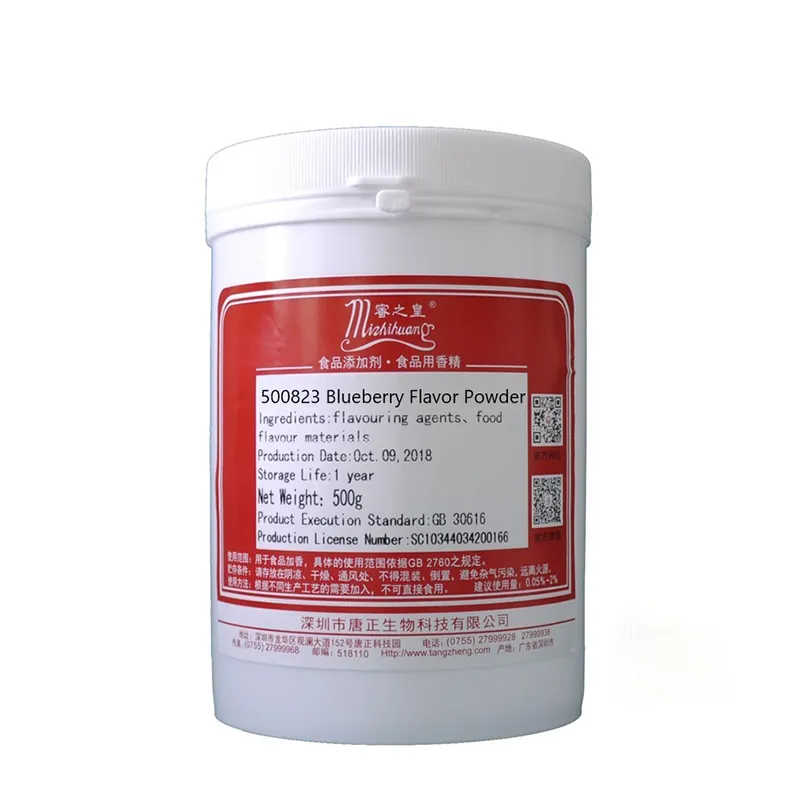
- Dry Formulations: For powdered seasonings and functional health foods, utilizing natural-identical Powder Flavors guarantees immense thermal stability during spray-drying, ensuring the label matches international import compliance.
Aligning Consumer Perception with Chemistry
Whether your target market demands clean-label natural-identical solutions or cost-effective, high-intensity synthetic profiles, understanding the chemical reality behind the label ensures smooth global market entry.
[Contact Tangzheng’s Regulatory Compliance Team for Global Documentation Support]