




Introduction: The Chemical Stress Matrix of Automated Confectionery Lines
In high-volume confectionery processing, gelatin, pectin, and starch-based gummy matrixes subject active flavoring systems to extreme physical and chemical stress. The manufacturing process requires adding mandatory food acids – such as anhydrous citric acid, malic acid, or tartaric acid – to catalyze the gelling mechanism, adjust the setting rate, and achieve the tart flavor profiles demanded by consumers. However, adding these acids drops the pH of the molten candy mass down to a highly reactive 2.5 to 3.2 range. At these elevated cooking temperatures, this low pH triggers aggressive acid hydrolysis. This reaction breaks down delicate ester and aldehyde chains, muting bright fruit top-notes and transforming them into a flat, synthetic, or chemical-like sourness.
The Dual Pressure of Thermal Flash-Off and Low pH
For plant engineers, the battle is two-fold: preventing thermal volatilization while protecting flavor compounds from acid degradation. When flavor molecules are introduced directly into the boiling sugar slurry too early, the high temperature causes volatile components to flash off into the factory exhaust lines. Conversely, if added too late without proper dispersion, the high acidity isolates and degrades the fragrance molecules.
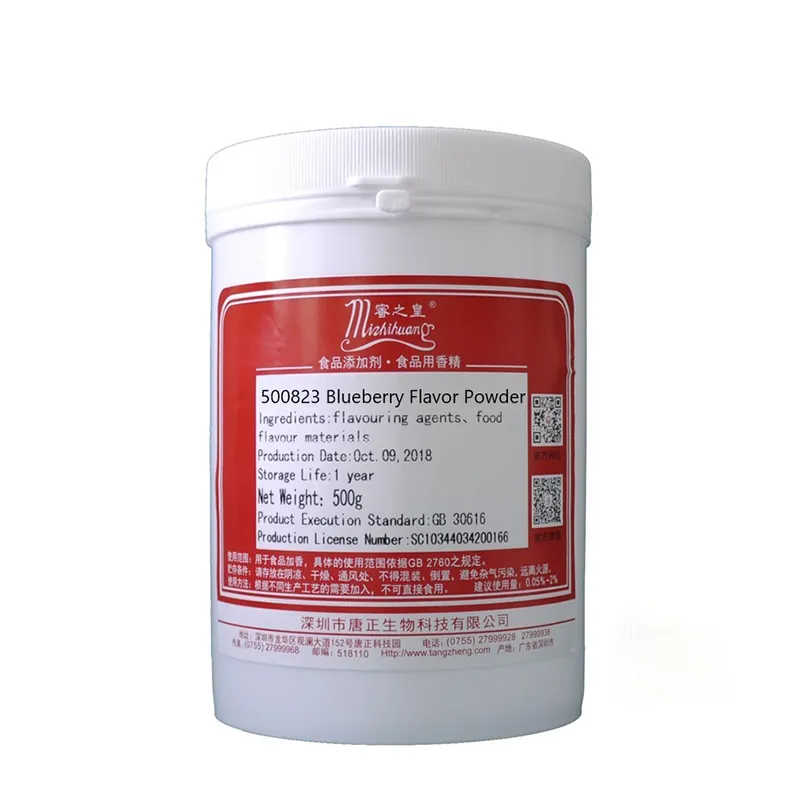
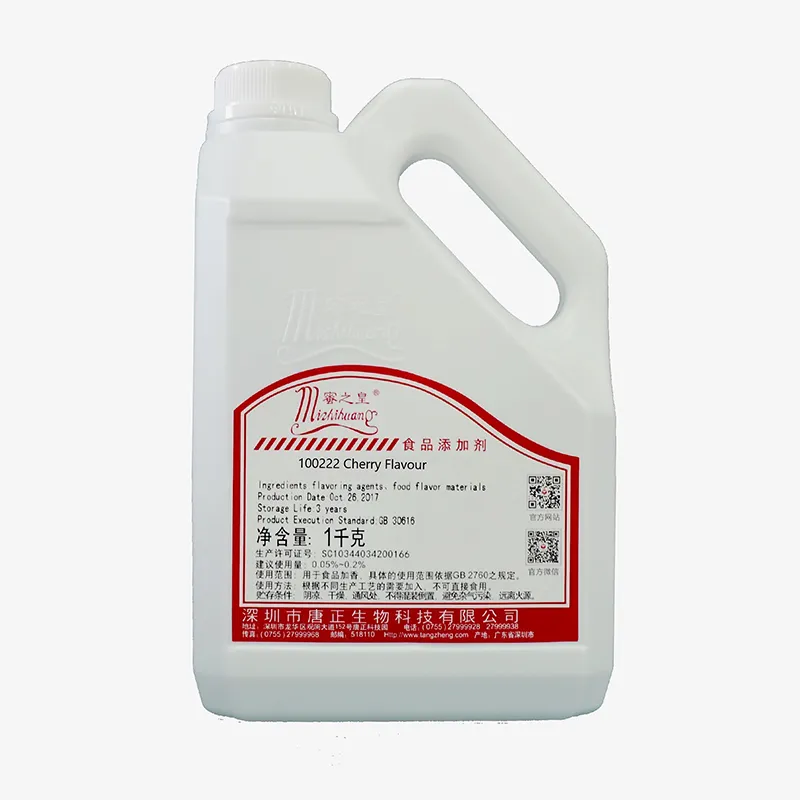
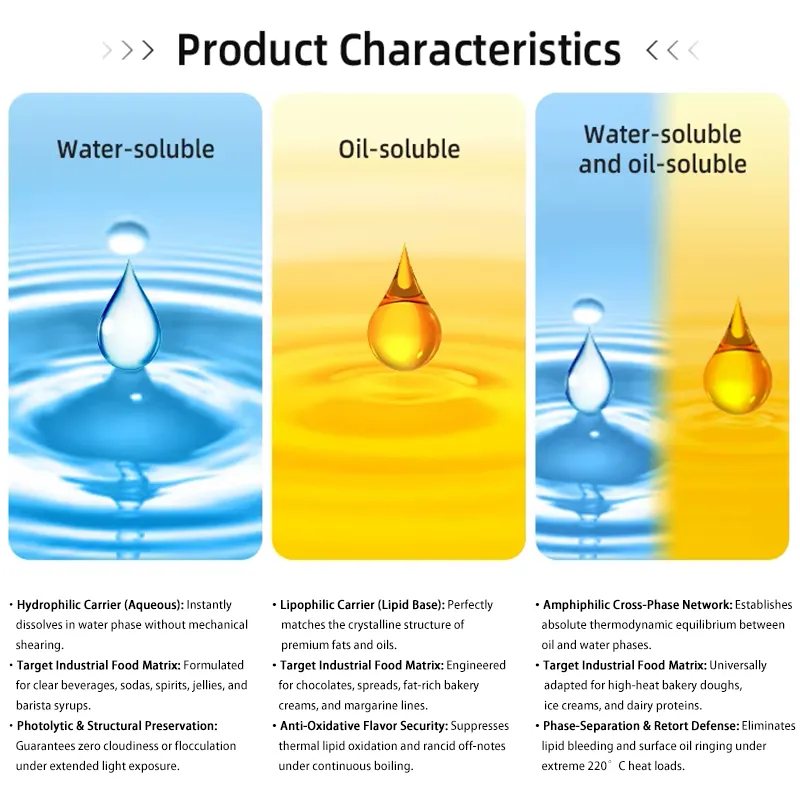
To overcome this structural bottleneck, automated processing lines must transition to compounds specifically engineered with bound, acid-resistant carriers. Our specialized Bakery & Confectionery Series and high-impact Sweet Flavors collections are molecularly altered to resist low-pH degradation. Rather than breaking apart under acid stress, the active aroma elements are shielded by complex carbohydrate structures, ensuring that intense vanilla, rich caramel, and vibrant fruit top-notes remain chemically intact during the critical deposition phase.
Advanced Process Optimization: Inline Injection Sequencing
Resolving this sensory challenge completely requires a combination of chemical formulation and physical processing adjustments. Plant managers should implement an automated inline injection system placed immediately before the starch deposition or silicone molding manifold.
- Dynamic Temperature Gauging: The molten sugar mass should be cooled to the absolute lowest safe fluid temperature (typically between 85°C and 92°C for gelatin) before flavor introduction.
- High-Shear Inline Mixing: Injecting the acid-stable compounds via a computerized static mixer ensures complete dispersion within seconds, preventing localized burning and reducing flavor exposure to high heat to less than 10 seconds.
- Synergy with Alternative Sweeteners: When formulating low-sugar or functional gummies (such as vitamin and collagen supplements), these acid-stable flavor agents function as excellent masking shields, covering the bitter, metallic aftertastes of stevia or raw active ingredients without disrupting the gelling network. This precise engineering guarantees a punchy, long-lasting flavor burst that remains uniform across every batch.