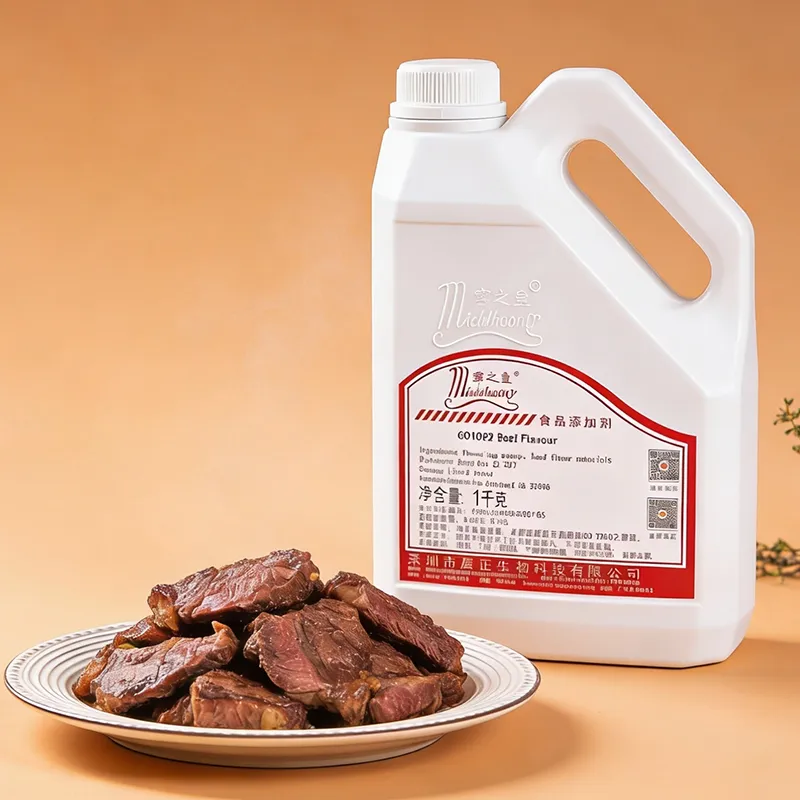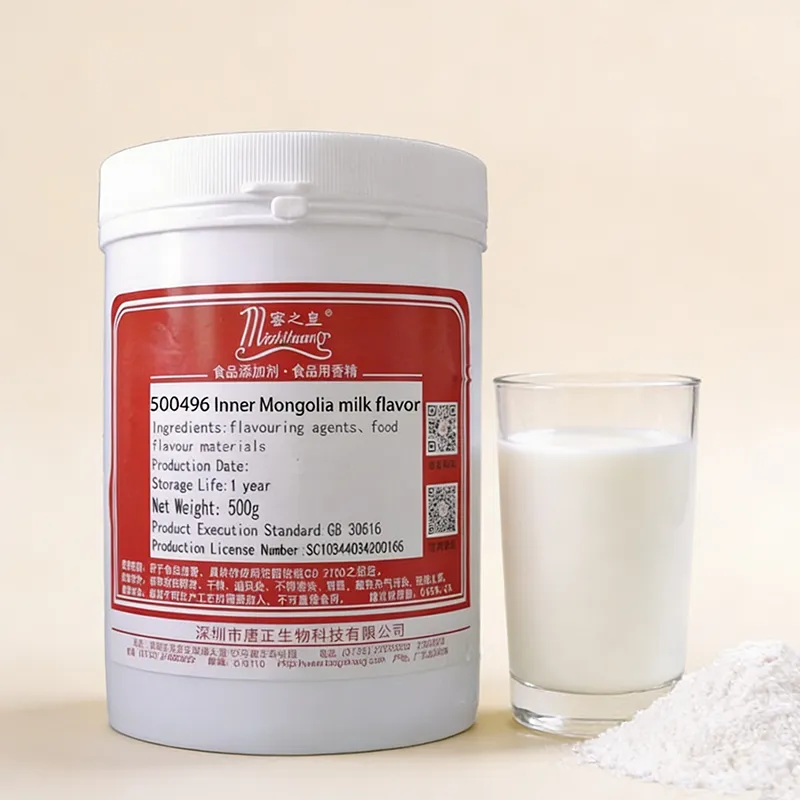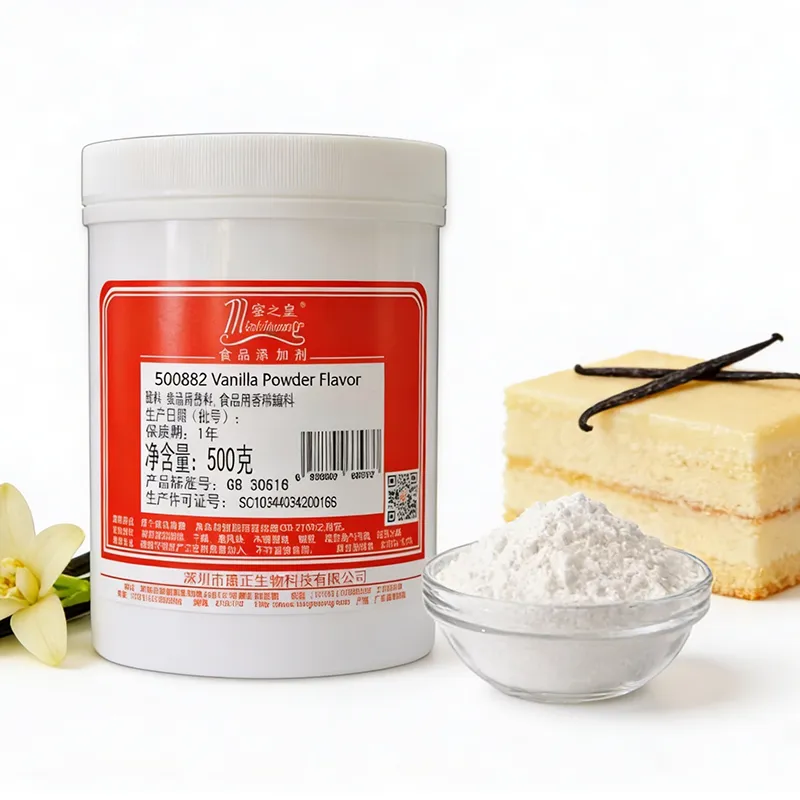





In the modern food industry, the term “Natural Flavor” has long been the gold standard for achieving taste consistency. However, as global transparency standards evolve, a new movement is emerging: Flavor-Free Labeling. This doesn’t mean the food is tasteless; rather, it means the taste is derived entirely from recognizable food ingredients rather than concentrated flavoring preparations.
For B2B manufacturers, understanding the shift from “Flavoring” to “Food-to-Food Blending” is no longer optional – it is a strategic necessity.
The Transparency Gap: What “Natural Flavor” Really Means
According to global regulations (such as FDA 21 CFR 101.22 or GB 30616), a “Natural Flavor” is a concentrated mixture designed solely for flavoring properties. While “natural” in origin, these mixtures often contain:
- Carriers and Solvents: Such as propylene glycol or ethyl alcohol.
- Preservatives and Stabilizers: Often undisclosed on the final consumer label.
- Complex Processing: Enzymatic or thermal reactions that move the ingredient far from its original whole-food state.
Flavor-Free Labeling bypasses this ambiguity. By using whole food compounds, manufacturers can offer a “Clean Label 2.0” where every ingredient on the deck is a food, not a chemical category.
Technical Challenges: Intensity vs. Authenticity
The primary reason manufacturers rely on flavors is efficiency. A few grams of a concentrated flavor can replace kilograms of real ingredients. However, this efficiency comes at a sensory cost:
- Top-Heavy Profiles: Flavors often provide a strong initial hit but lack the “middle note” and “tail” of real food.
- Mouthfeel: Only real food ingredients (fats, proteins, fibers) provide the textural complexity that consumers associate with high-quality products.
- The Solution: Advanced Physical Blending (Complex Compounding). By scientifically combining dehydrated vegetables, spices, and natural extracts, we can replicate the intensity of flavors while maintaining the integrity of a whole-food ingredient list.
Strategic Advantages of Flavor-Free Formulations
For a food brand looking to compete in the premium or international
- Global Compliance: Different regions have varying definitions of “Natural.” A product labeled with “Natural”
- Allergen & Vegan Assurance: Many natural flavors use animal-derived carriers or hidden allergens. Using transparent food
- Higher Consumer Value: Market research consistently shows that consumers are willing to pay more for
How to Transition: From “Flavoring” to “Ingredients with Flavoring Properties”
The transition requires a shift in R&D mindset. Instead of asking, “How do we make this taste like beef?”, the question becomes, “How do we use beef-derived ingredients and spices to build a savory profile?”
Key techniques include:
- Synergy Mapping: Using the natural glutamates in certain vegetables to enhance savory notes without adding MSG or flavors.
- Physical Concentration: Utilizing low-temperature drying and grinding to preserve the volatile oils of raw materials.
- Compound Blending: Creating proprietary mixtures of real foods that function as a flavoring agent but are declared as food components.
Conclusion: Future-Proofing Your Brand
The “Flavor-Free” label is the ultimate sign of quality in an era of over-processed foods. It tells the consumer – and the retailer – that your brand does not take shortcuts. For manufacturers, investing in Authentic Food Blending is not just about taste; it is about building a future-proof brand rooted in transparency and trust.